

Introducción
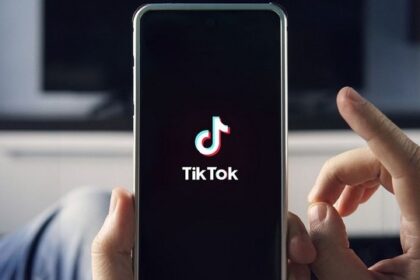
Oracle, Silver Lake, MGX, and Michael Dell’s entity are now the owners of TikTok’s operations in the United States. This development comes after a long-standing debate about the potential ban of the popular social media platform in the country.
TikTok’s Future in the United States
The saga surrounding the potential ban of TikTok in the United States has finally come to an end. ByteDance, the parent company of the app, has sold the majority of its operations in the U.S. to non-Chinese investors. This move aims to prevent the app’s restriction and reduce the alleged national security risks that sparked political and regulatory debates.
As reported in mid-December, the new owners are Oracle, private fund Silver Lake, Emirati state investment fund MGX, and an entity linked to Michael Dell. Together, these entities will control over 80% of the new entity, a structure designed to ensure TikTok’s continuity in the United States and clear objections raised by local authorities.
End of the Potential TikTok Ban in the United States
Following the agreement, TikTok’s CEO, Shou Zi Chew, publicly expressed his “gratitude” to the platform’s users after ByteDance finalized the majority sale to this holding led by American investors. The executive chose the app itself to communicate his message, with a brief video addressed to the global community.
In his post, Shou highlighted the role of users in TikTok’s growth and specifically thanked the “200 million Americans” who use the app. He expressed gratitude for their part in the TikTok community and looked forward to their continued creativity, storytelling ability, and spreading of joy worldwide, referring to the more than 1 billion global users of the social network.
With the deal closed, the ownership structure has been redefined. The majority ownership of TikTok now lies with American companies, while ByteDance retains a 19.9% stake. It was also confirmed that the CEO of the new entity, named TikTok USDS, will be Adam Presser, a former executive at WarnerMedia.
In the new management scheme, key security-related positions were also defined. The position of security director will be filled by Will Farrell, who will join Presser in leading the company in this new phase, characterized by greater local control over operations and critical platform processes.
What Will Happen to TikTok After the Sale
Thanks to the sale of TikTok to non-Chinese investors, the social network will begin operating under what its leaders defined as “defined safeguards that will protect national security.” As explained in a statement accessed by EFE agency, this new framework includes comprehensive data protections, algorithm security, content moderation, and software guarantees for users in the United States.
In this context, Oracle will play a central role. The company will be responsible for “securing” the data of American users within its cloud environment, where the recommendation algorithm will also be hosted. This algorithm will be “retrained, tested, and updated” based on local accounts, in line with regulatory requirements.
Furthermore, following the sale, TikTok committed to protecting the “content ecosystem in the United States.” The new entity will have decision-making power over security policies and content moderation, a key point in the debate surrounding the platform in recent years. Thus, the agreement aims to definitively close the uncertainty about TikTok’s future in the United States, establishing a new control and operation scheme that ensures its continuity under parameters aligned with the country’s requirements.
Conclusion
The sale of TikTok’s operations in the United States to Oracle, Silver Lake, MGX, and Michael Dell’s entity marks a significant turning point in the app’s history. This move not only ensures the app’s continuity in the U.S. but also sets a precedent for how social media platforms can navigate regulatory challenges and national security concerns.